BYRONIC SEX & EXILE: An Interview (1/2)
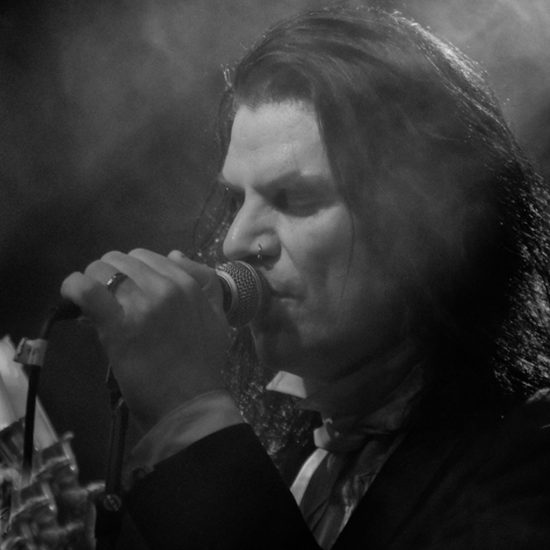
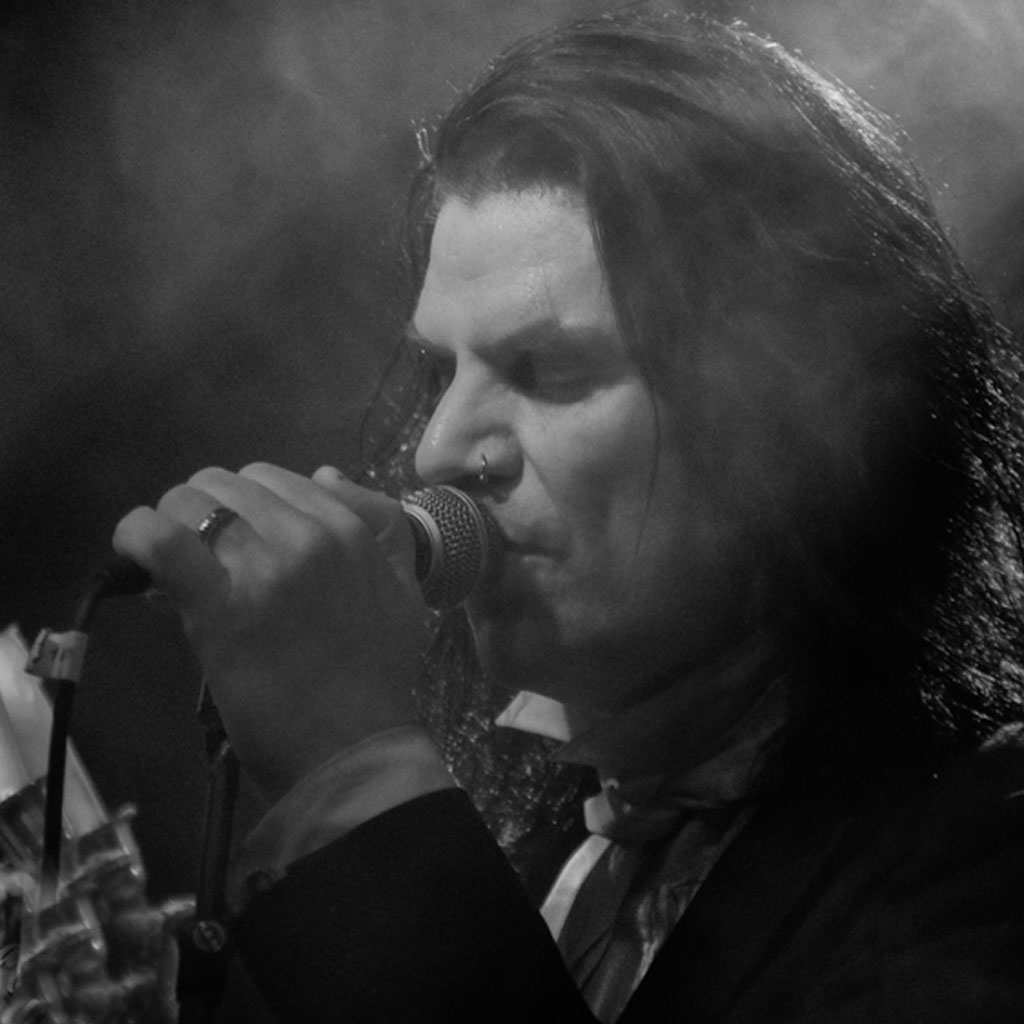
With *Byronic Sex & Exile*, Joel Heyes blends Gothic, Romanticism, and a healthy dose of rebellion. With his new EP, *Dauntless Zeal*, Heyes now strikes a distinctly more political tone. Read the first part of our two-part interview here.
Orkus: Let’s start at the very beginning. When did you first feel the desire to launch Byronic Sex & Exile?
Joel Heyes: Originally, the Byronic Sex & Exile project was just one of several studio projects I developed around 2015—alongside projects like Carpathian Love Gods, The Desiring Machines, and others, as well as bands like Quasimodo. It wasn’t until a few years later that I began to realize the potential BS&E held. The first concert in July 2017 was a major step in that direction, and after that, the whole thing practically took on a life of its own until it eventually became my main project.
O: Was there a specific moment when you realized that “Byronic Sex & Exile” was the perfect name for your music?
JH: I wanted a name that embodied what “romantic” Goth means to me, and I felt that *Byronic Sex & Exile* captured that pretty well—the melancholy, the eroticism, and the passions we associate with the Byronic hero. And since this is a one-man project, that sense of solitary rebellion fit perfectly with what I wanted to create.
O: What still fascinates you about Lord Byron—and which of his qualities do you recognize in yourself?
JH: For me, it is above all his boundless creativity and his convictions that fascinate me. He allowed himself to conceive of his life in vast historical terms and to live on a grand scale. So with him, it’s not just about his incredible literary talent, but also about how purposefully and flexibly he knew how to use it. Among all the Romantics, he gave the movement real substance, a real edge. As for me, I recognize in him that restlessness that often makes my work very unpredictable—not to mention that I, too, am a climber who doesn’t simply accept my place in the world!
O: If Lord Byron were still alive today—do you think he’d be a goth?
JH: I’m sure he’d be “gothic” to a certain extent, even if it’s questionable whether he’d identify with today’s scene. I can imagine he’d be more interested in the new forms of sexuality and identity within the queer and LGBTQ movements. And, of course, other causes—such as republicanism and national liberation—have hardly gone out of style since then. So there would certainly be plenty of need for a protest poet in the times we live in today.
O: What does “Gothic” mean to you?
JH: For me, “Gothic” refers first and foremost to art—music, books, movies, and clothing—and to that specific impulse toward the dark, subversive, eerie, and theatrical. Gothic is an exploration of the barbaric and the poetic, a contrast between the ancient and the irrational and the banality of modern consumer culture. It stems from decidedly countercultural political movements and places women, rebels, monsters, children, and the forces of progress at the center.
O: When did you first come into contact with the goth scene, and what particularly fascinated you about it?
JH: I grew up in West Yorkshire in the ’80s and ’90s, which was a real hotspot for goth culture back then. The Mission, The Sisters of Mercy, The March Violets, New Model Army, and Ghost Dance all came from the area, and their posters and fans were everywhere. Along with the people who were clearly recognizable as goths—like Elvira or the Hammer horror movies—it was just a completely natural progression for me. I became a huge fan of these bands and even had the chance to tour as an opening act for The Mission when I was 14. That cemented my love for the scene and my vision of what this music can achieve once and for all.
O: How would you describe the goth scene in the UK today?
JH: The British scene finds itself in a strange situation. On the one hand, the calendar is packed with festivals, and events take place every weekend. On the other hand, these are mainly dominated by established acts or European bands. The goth scene in the UK simply isn’t big enough to provide artists with a path to recognition—so much so that it isn’t even acknowledged in the media on its own terms. Most British press articles about goth regularly focus on acts that aren’t part of the scene at all. Essentially, “gothic” in the UK is well on its way to becoming more of a general term for an aesthetic than for a musical genre.
O: Your new EP is titled “Dauntless Zeal.” How did you come up with that title?
JH: The title comes from a poem by John Thelwall, an English Jacobin activist who was charged with high treason in 1794. The song “Chalk Farm Rebel” on the EP is about him. I wanted a term that describes a kind of combative optimism, a determined march forward. And as an independent solo artist, a little “Dauntless Zeal”—that is, undaunted zeal—certainly can’t hurt!
Claudia Zinn-Zinnenburg
We will continue our interview shortly.
Watch the video for “Give Raul a Gun”:
Already subscribed to our newsletter?

Choose your favorite CD as a subscription bonus: