Interview with FALLING YOU (2/2)
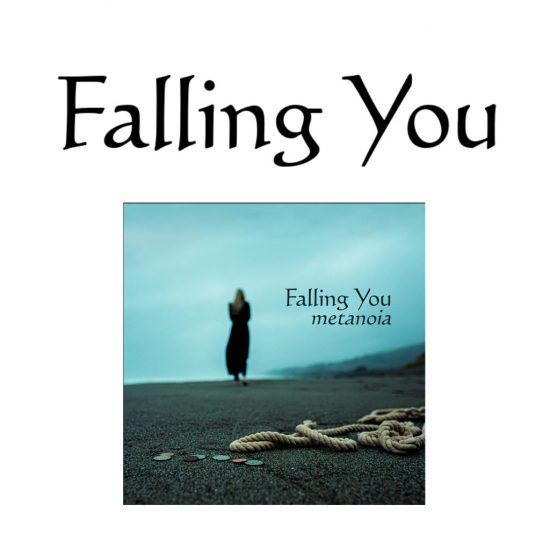
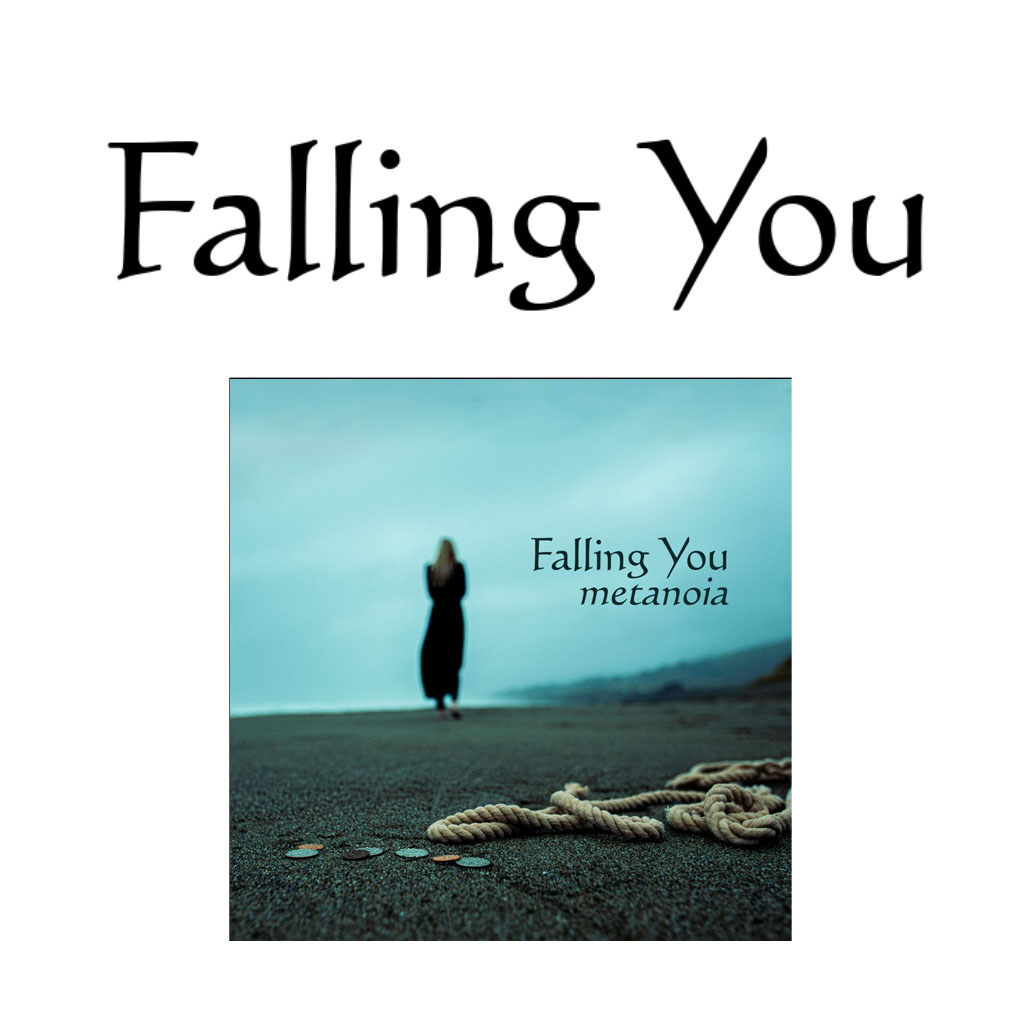
Falling You was founded in 1995 in San Francisco by composer and producer John Michael Zorko. In the first part, we talked about the new album “Metanoia” and its significance. Let’s pick up where we left off.
Emotional
Orkus: I was particularly impressed by “Alcyone”, which also stands out with its length of ten minutes. Is there a story behind its creation?
John Michael Zorko: The myth of Alcyone and Ceyx is one of the most moving and powerful myths in Ovid’s epic poem, and it was at the center of my thoughts when I was developing the music for this song. The story is so tragic and yet so beautiful. Ceyx, a seeker (with whom I can fully identify), plans to sail to the oracle of Apollo to gain knowledge. His wife Alcyone, fearing the worst, begs him not to go, but he sets off anyway and promises to return. That night, Alcyone has prophetic, vivid nightmares of a storm that sweeps his ship and him away. When she wakes up the next morning, she sees his body floating in the waves off the coast. Overcome with grief, she throws herself into the sea and they both turn into birds – so sad and yet so beautiful. I’m usually pretty level headed and try not to take drama too seriously, but wow, every time I hear this song it brings tears to my eyes (no kidding).
Dru has taken this theme and really brought it to life – she is absolutely incredible, not just as a singer, but as a flawless poet and storyteller. Her lyrics, her vocals – just beautiful beyond any words I can formulate with this tired alphabet. Ryan and Anji’s mix suited the song perfectly, and together we made it one of the highlights of the album.
Beauty in collapse
O: The album starts with “Throw the Stone”. How did the song come about?
JMZ: It’s based on another myth by Ovid – that of Deucalion and Pyrrha. As with “Alcyone”, I had this myth in mind when I composed the music. The song opens with a somber blues motif that alludes to the first part of the myth, in which Deucalion and Pyrrha wander through the destruction wrought by Jupiter (which is apparently just something gods do). I imagined their journey, seeing all this destruction and lamenting that so much – and so many – had been lost just because a wayward deity snapped because his creation wasn’t paying enough attention to him. They each pick up pieces of the world that once was and throw the pieces behind them. Soon, however, these parts of the world that once was morph into the new inhabitants of this world – this is where the synth filter sweep comes in (have I mentioned how much I love my virus?), and the song shifts to a slightly brighter, mellower electronica motif.
Colleen’s vocals have that bluesy Hmmm-Hmmm, and her lyrics use the content of the myth to relate the breaking of the world to the breaking of her heart. Who hasn’t felt their world crumble during a devastating breakup? Beautiful imagery, beautiful performance …
Existentialist
O: “Ari’s Song”, for example, has no lyrics at all, but still conveys a strong emotion. What were you thinking when you composed the song?
JMZ: I really like bluesy stuff – usually the darker stuff, but not always. I wanted to incorporate some subtle bluesy elements into the album and played around with that bass line. One of my favorite albums is “Thirst” by Clock DVA, and I just love how Adi Newton mixes existentialist themes and industrial backgrounds with bluesy/jazzy guitars, clarinets and other instruments. Anyway, I remembered a good friend of mine, Ari, who, like me, regularly frequented the same clubs in Santa Cruz and San Jose when they had goth/industrial nights. She and her partner moved away a few years ago, but I wanted to write a song for her.
Trapped
O: I found “Inside the Whale” quite threatening. What is it all about?
JMZ: To come back to the theme of the album: This piece is a metaphor for being devoured by the system you’ve created from your own beliefs. We often define ourselves by these beliefs, but when they engulf us, it’s very hard to escape them. Meanwhile, the outside world continues to beat against us. “Metanoia” is a difficult task when you feel trapped in the system you have created.
Hope
O: The album ends beautifully with “Philomena”. What role does she play in Ovid’s work – and for you?
JMZ: The myth of Philomela (alternative spelling) with Tereus and Procne is very disturbing, but Anji’s heavenly singing and lyrics transcend the original in a beautiful way, lifting it out of the mire and thorns and flipping the script so that it becomes a story of finding your voice, singing your song and refusing to be silenced.
Add to that Ryan’s beautiful blues-ambient guitar work and her (numerous) production flourishes, and the result is a song that is some of the most breathtaking music I’ve ever had the pleasure of contributing to.
For an album that deals with the often extreme difficulty (and yet necessity) of individual change in the face of a universe that constantly (and often violently) demonstrates its lack of objective meaning, it’s just perfect to end the album with a song about transcendence and resilience. I’m not a big fan of “hope”, at least not in the way the word is often used – it usually rings hollow and wishful thinking. However, I firmly believe in the ability of each of us – and all of us – to make our world – and therefore the world – better. We are all we have and we are all we have ever had. That has to be enough, because there is nothing else.
Claudia Zinn-Zinnenburg
Listen to the album on Spotify: