Interview with JEANNE D’ARTE (1/2)
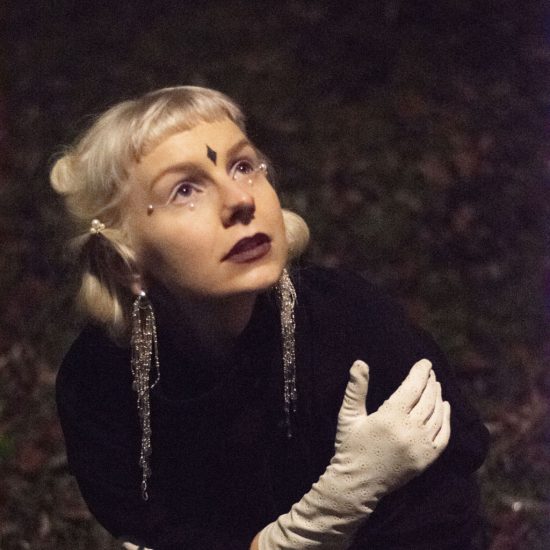
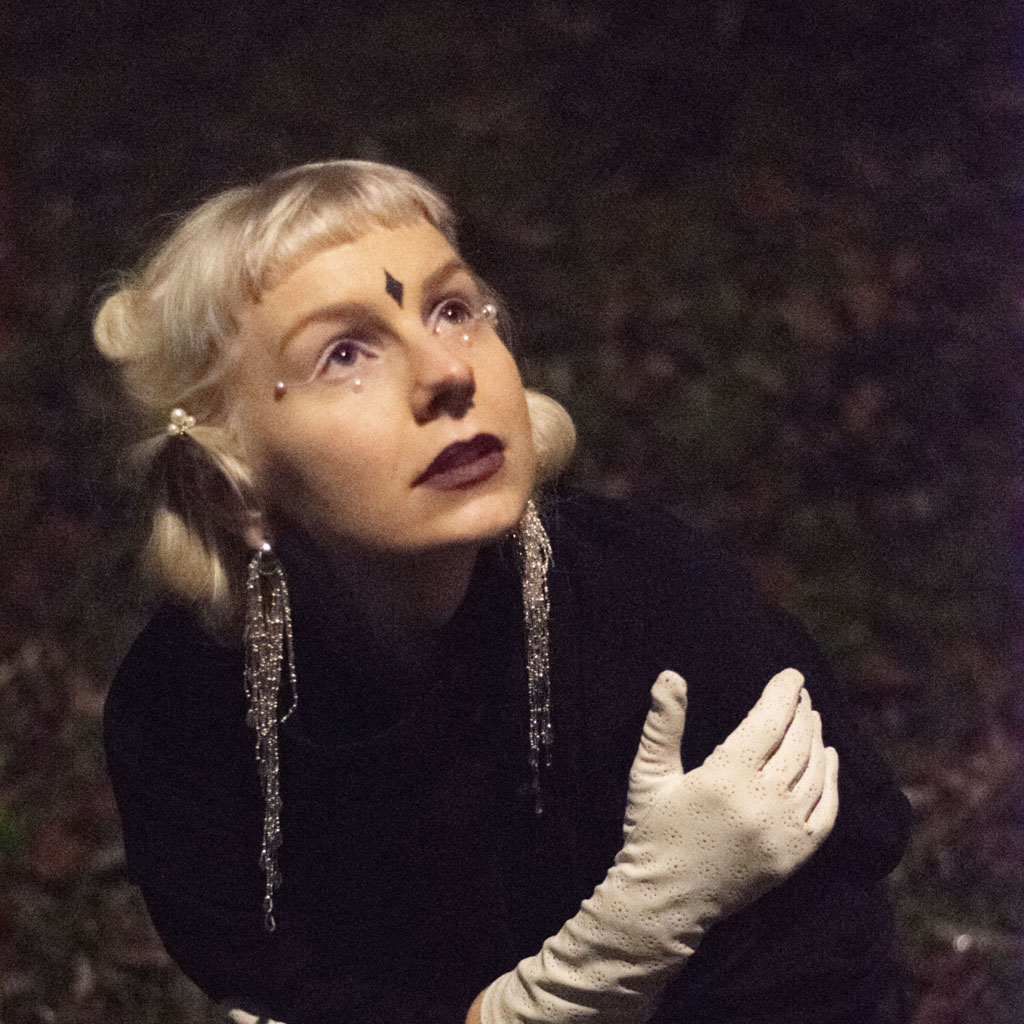
Jeanne D’Arte from Vienna is releasing her debut album “Am Ufer der Welt”. Musically, she moves between ethereal, dark pop and electronica, which she weaves into a mystical journey of sound. We talk to the likeable artist about her beginnings and why music is so much more than “just music”.
How it all began
Orkus: Let’s start at the beginning. How did the wish or desire to be musically active come about?
Jeanne D’Arte: This desire has lived in me for what feels like forever. Music is my main artery, a large part of my essence flows through it and has been giving me my zest for life for a long time. I sang and danced a lot from an early age and found in my voice the opportunity to feel and express myself. It is my automatic expression when I am stressed, excited, worried, overwhelmed or in search of dopamine. As a child, however, I tended to keep singing to myself because I was too shy to express myself. I was also very afraid of not being good enough for it. This courage to show myself anyway then came with the growing feeling that there was no other way, that I “had” to show myself like this because it was the real me. I can still try out so many professions – I see a lot of fulfillment in my work as a music artist because it involves so many spades. Writing, singing, producing, performing, creative directing, creating something out of nothing and finding creative solutions … My dream is to be the kind of inspiration for a young person that Lady Gaga, Enya and the many artists on VIVA were for me. Besides, you only live once. And of course I would love to experience this one life at the core of my Ikigai.
Hunger for …
O: Let’s stay on the subject of “names” for a moment. In what way is “Am Ufer der Welt” the perfect album title for your debut?
J: “Am Ufer der Welt” describes the starting point from which the songs on the album were created. In a slightly dissociative distance to the world and at the same time standing in an inseparable connection with it – where self-perception is exaggerated and you have the feeling that life is happening outside of you. I sit on the shore of the world in an attempt to isolate myself and find peace. I sit there with myself – with my existential fears, my inner emptiness, my responsibilities and my hunger for belonging and meaning. The songs deal with everything that shoots tinnitus-like through my head on the shore of the world and won’t let go, no matter how hard I try to let go.
Weeping willow
O: “Trauerweide” has already been released as a single. Do you have a special connection to weeping willows?
J: They are one of my favorite trees because their countless, gracefully hanging branches create a space for imagination to enter. I love finding and creating spaces. For the song, I chose the weeping willow to symbolize a person who has lost their strength and voice and needs courage to open up to life again.
Dancing in the slate rain
O: “Schieferregen” is also particularly beautiful with the aesthetic dance performance in the accompanying video! How did you experience the shoot and is dance also a part of your art?
J: Thank you! Yes. Dance is an essential part of my art. I danced at music school for eight years and I realize how my love for dance influences my music making. I compose with movement woven into the musical narrative. In the future I would like to work with choreographers and dancers, for video art and for the stage. At least that would be my dream. The video for “Schieferregen” was created at very short notice (like all the videos so far) and is a work of pure improvisation. Everything about it was decided and made spontaneously. Although I love to let the inventive spirit that comes with severe restrictions flourish, I would like to get more elaborate projects with a real plan and rehearsed dances off the ground in the future (fingers crossed).
Swimming through the deep sea
O: Speaking of videos, “Tiefe Meere sind schwarz” should not be missing. How did this song come about?
J: The skeleton of the song was created with a friend’s electric piano that I was strumming on during a visit. This resulted in a mysterious “Columbo”-like riff that I recorded for later inspiration. The riff became the bass line of the song, and its dark theatricality led to writing about the guilty conscience of carrying a lot of heaviness and being afraid of dragging other people down with it. The bass line sounded to me like the danger of diving deeper than you should. “Wie lang noch der Atem reicht” is therefore the fear of sinking and at the same time symbolic of the staying power that you have to prove if you want to stand by a person marked by heaviness as a relative or friend. “Tiefe Meere sind schwarz” is a forewarning to those people who want to dare to swim with me through the deep sea.
We will continue the interview with Jeanne D‘Arte soon.
Watch the video for “Trauerweide”:
Already subscribed to our newsletter?

Choose your favorite CD as a subscription bonus: