An Interview with THE MEMORY OF SNOW (Part 1 of 2)
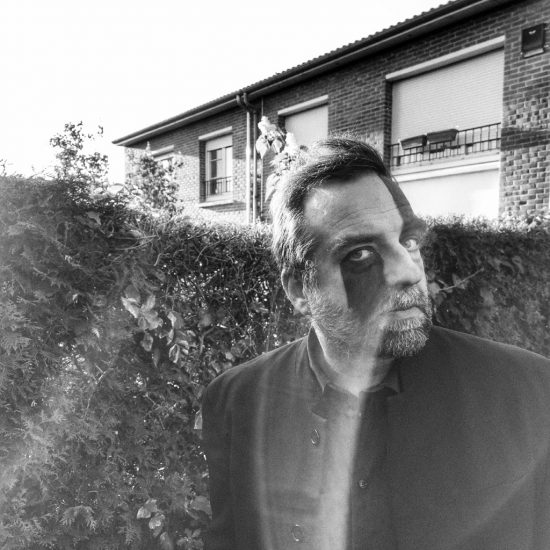
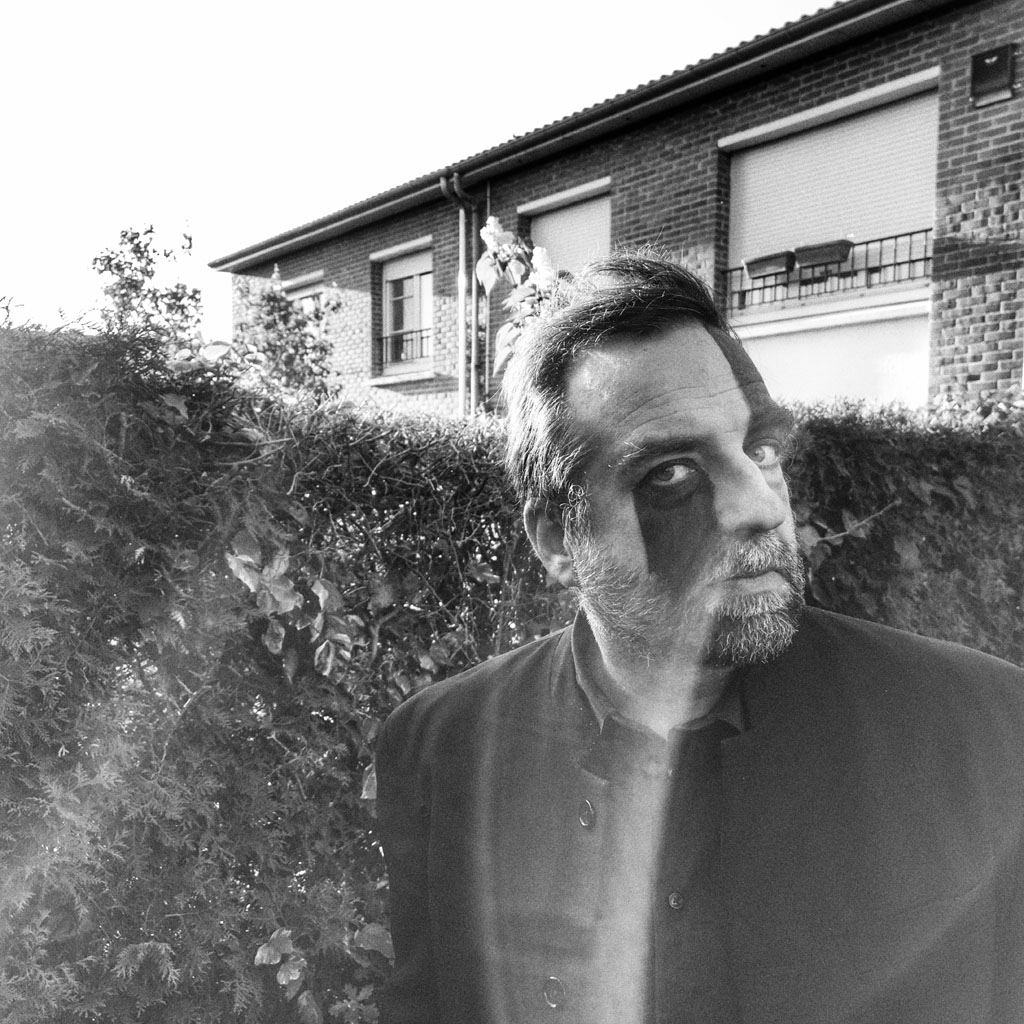
In our two-part interview with Albin Wagener, we talk about his new album, “Inside,” while following an exciting detective story.
Orkus: The Memory of Snow’s first album was released in 2023. How did the idea—or the desire—to form The Memory of Snow come about?
Albin Wagener: Actually, *The Memory of Snow* is a kind of musical rebirth. I had been making music with various projects before, until at some point I couldn’t write a single melody anymore… I had a complete creative block. *The Memory of Snow* came about after a ten-year break from music. I just felt like I had to make music again, and that feeling suddenly came back. I had to do everything myself to truly have control over the artistic vision and the entire process. So basically, it’s about a person who starts making music again after too many years of silence…
O: What’s the story behind the project’s name?
AW: *The Memory of Snow* has many meanings. For one thing, it’s about snow as a memory. It reminds me of my childhood in Luxembourg, where I was born and raised. We had snow there every Christmas—something that disappeared when the whole family moved to France. At the same time, the title has a very somber meaning in light of the climate crisis, which is an important issue for me. It’s about the disappearance of things that were dear to us and that we took for granted—especially the disappearance of winter, my favorite season! And then there’s another meaning: a trip I was able to take to Finland a few years ago. I traveled to the north of the country, to Oulu and Rovaniemi, and saw those enormous amounts of snow and ice… It was a magical moment I’ll never forget. There was something peaceful about that cold silence—something larger than life. Sorry for the long and complicated answer, but at least this gives you a sense of the world and the themes I incorporate into my music.
O: What does snow bring out in you?
AW: Snow symbolizes a kind of cold serenity that we never truly achieve in life. I like to imagine that death might be more peaceful, and snow also reminds me of a slow, gentle way of dying… Sorry, that doesn’t sound very positive, but hey, that’s part of life, too. At the same time, snow has something soothing and comforting about it: that soft sound that surrounds you when the world is blanketed in snow. I love the cold seasons and the way they blanket nature… It’s actually quite poetic and, of course, linked to childhood memories, as I’ve already explained. I love the cold—which is probably reflected in my music, too!
O: The new album is titled “Inside.” How did this song come about, and why did it become the album title?
AW: “Inside” is actually a direct reference to the album “Outside,” which David Bowie produced in 1995—an album I love very much, by the way. I thought it might be interesting to make an album with a similar experimental approach, also about a detective investigating the murder of a girl. But the further I got into production, the more I strayed from that original idea. “Inside” evolved into a project in its own right—certainly not a copy, nor a second chapter. Honestly, how could I even compare myself to Bowie! Rather, it’s a tribute in its own unique way. Various other influences came into play as well: Of course, you can hear David Lynch here and there, but there’s also a more Nordic atmosphere, influenced by Danish TV series and their noir crime stories. In the end, it turned into something completely unique. “Inside” attempts to uncover the sordid stories hidden behind seemingly perfect homes. It’s about the monsters we have at home, about violence, and about how crimes often remain hidden right before our eyes—especially when it comes to vulnerable beings like children.
O: It’s a sophisticated concept album in which we follow Detective Stern as he tries to solve a murder …
AW: As I said, the original idea came from a desire to produce a sort of sequel to Bowie’s “Outside.” At the same time, I was writing the album while rewatching David Lynch’s “Twin Peaks” and thinking about shows like “Bron/Broen” and “The Killing.” I wanted something with a stronger Nordic feel, something darker and more musically focused. Detective Jonas Stern was supposed to be investigating a gruesome case: the brutal murder of a teenage girl by her stepfather. I wanted this investigation to eventually drive him mad and ultimately lead him to become a murderer himself. It really is a concept album: it tells a story like a novel, and each song is a chapter. There’s a beginning and an end. But yes—it’s definitely not a happy story.
O: “Noise in the Basement” gives you goosebumps. Is there a story behind it?
AW: With this song, I wanted to describe a murder scene from the investigators’ perspective. The detective and his colleagues enter the house and examine the rooms and what’s inside them. It’s a clinical description of intimate details and the abrupt end to everyday life in this house. In a way, the song is almost surgical: you can almost see the colors of the walls, imagine the upper floor, and feel how everything there has suddenly come to a standstill. A life has come to a standstill. The title “Noise in the Basement” refers to the sound the detective hears coming from the basement while his colleagues are examining the crime scene there—the place where the girl was murdered.
Claudia Zinn-Zinnenburg
We will continue our interview shortly.
Watch the video for “Inside”:
Already subscribed to our newsletter?

Choose your favorite CD as a subscription bonus: