An Interview with DEKAD (Part 1 of 2)
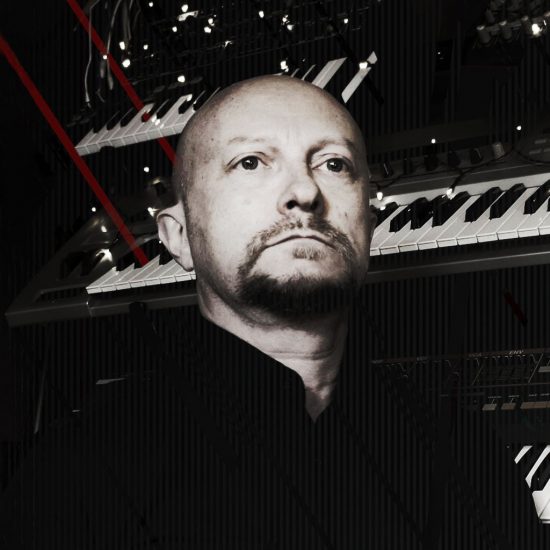
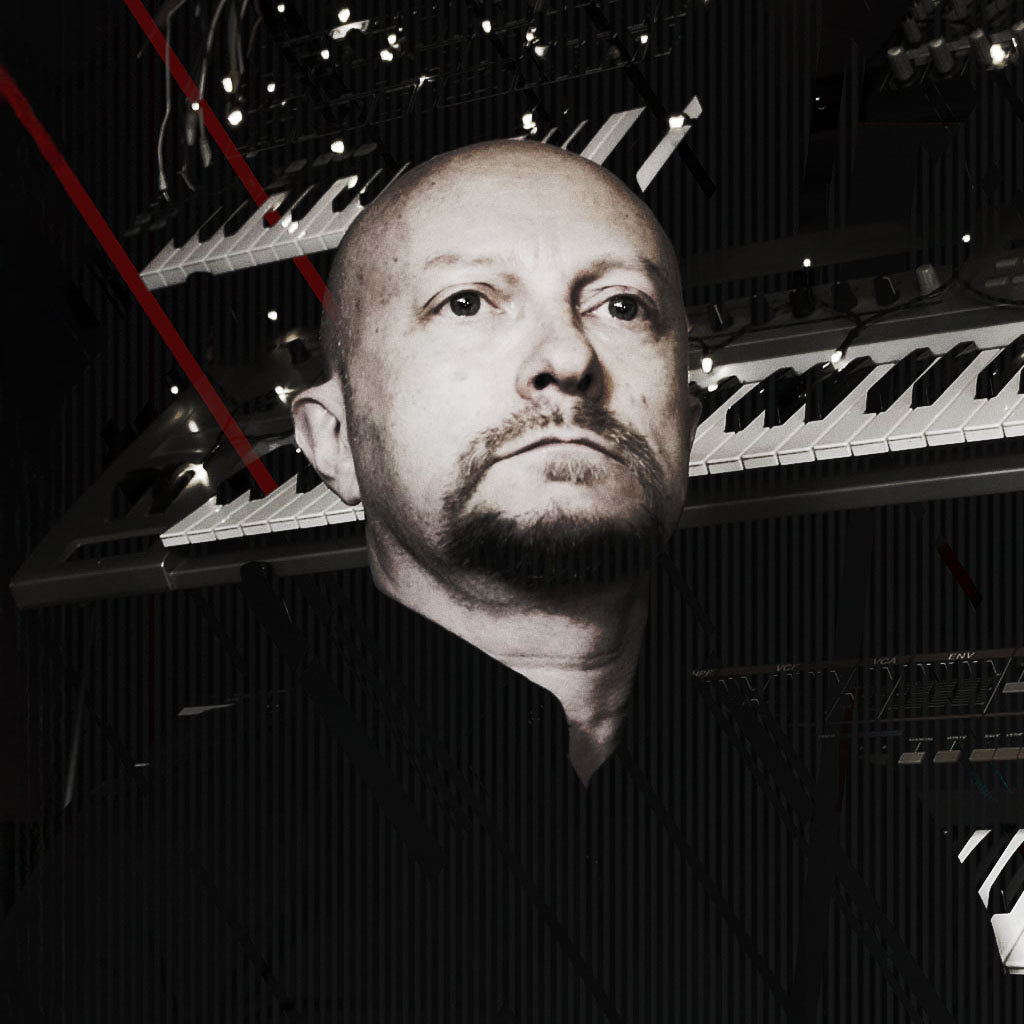
Dekad was originally founded in France in 2000 as a quartet. Their first album, “Sin_Lab,” was released in 2005, followed two years later by their second, “Confidential Tears.” A hiatus followed until 2009, when Jean-Benoît Lacassagne revived the project on his own. We’ll be discussing the new album, “A Distorted View,” in two parts.
Orkus: How did you come up with the name Dekad?
Jean-Benoît Lacassagne: As far as I remember, we were looking for something simple that left room for interpretation. “Dekad” naturally brings to mind a decade, but it can also suggest decay or the passage of time. Looking back, it’s funny because the band has now been around for well over a single decade, and yet the name still feels fitting. It stands for change, evolution, and the fact that nothing stays the same forever.
O: Let’s stick with the topic of names: How did you come up with the album title “A Distorted View”? In what ways are these perspectives distorted?
JBL: The title came from the idea that none of us perceives reality completely objectively. Our perception is shaped by our emotions, beliefs, and the information we consume. This distortion can arise from fear, desire, technology, ideology, or simply from the fact that we are human. The album explores these different filters through which we view ourselves and the world around us.
O: The album kicks off with a real burst of energy in the form of “Adrenaline.” Is there a special story behind it?
JBL: “Adrenaline” is about those moments when instinct takes over. Whether it’s excitement, danger, or confrontation—there are situations where pure reaction takes the lead. Adrenaline is universal. It can save us, motivate us, or even cause us to make mistakes. I wanted to open the album with this burst of energy before it moves into more contemplative territory.
O: “Welcome to My Nightmare” is particularly captivating—it includes lines like, “the world of twisted dreams, where the sun never shines” … How did you come up with these dark lyrics?
JBL: The hidden realms of the human psyche have always fascinated me. The artists I admire have shown me that darkness can be poetic and meaningful—and doesn’t necessarily have to be pessimistic. The song isn’t really about nightmares themselves, but rather about the mental spaces we create through fear, obsession, doubt, or unresolved emotions. Gloomy imagery can often express things that are difficult to describe directly. In this context, the nightmare becomes a metaphor for our inner struggles.
Claudia Zinn-Zinnenburg
We’ll continue the interview shortly.
You can also find Dekad in our July/August issue.

Order the July/August issue:
Listen to Dekad on our “Current Issue” playlist on Spotify:
Already subscribed to our newsletter?

Choose your favorite CD as a subscription bonus: